
What Is Dog Vaccination? (Detailed Explanation)
Dog vaccination is a preventive healthcare practice where biological preparations (vaccines) are administered to dogs to stimulate their immune system. These vaccines contain weakened, killed, or modified forms of disease-causing organisms. When introduced into the body, they train the dog’s immune system to recognize and fight specific pathogens without causing the actual disease.
Vaccination helps create immunological memory, enabling the dog’s body to respond quickly and effectively if exposed to the disease in the future. This reduces disease severity and prevents fatalities.
Why Dog Vaccination Is Important
Vaccination is critical for both individual pet health and public health.
- Many canine diseases are highly contagious and can spread rapidly.
- Some diseases, such as rabies and leptospirosis, can spread from dogs to humans (zoonotic diseases).
- Vaccination reduces disease prevalence in communities through herd immunity.
- Treating preventable diseases is far more expensive than vaccinating against them.
Without vaccination, dogs—especially puppies—face a high risk of severe illness, permanent organ damage, or death.
Benefits of Dog Vaccination (In-Depth)
- Disease Prevention: Protects dogs from fatal viral and bacterial infections.
- Long-Term Health: Reduces chronic complications caused by infections.
- Economic Benefit: Prevents costly emergency treatments and hospitalizations.
- Public Safety: Protects humans from zoonotic diseases.
- Legal Compliance: Mandatory vaccinations (like rabies) meet legal requirements.
- Better Quality of Life: Vaccinated dogs are more active, social, and stress-free.
Core and Non-Core Dog Vaccines
Vaccines are categorized based on disease severity, transmission risk, and global veterinary guidelines.
Core Vaccines (Essential for All Dogs)
- Rabies: Fatal viral disease affecting the brain; mandatory in India.
- Canine Distemper: Causes neurological, respiratory, and gastrointestinal symptoms.
- Canine Parvovirus: Severe intestinal infection with high mortality in puppies.
- Canine Adenovirus (Hepatitis): Causes liver failure and eye damage.
Non-Core Vaccines (Lifestyle-Based)
- Leptospirosis: Spread through contaminated water and urine.
- Bordetella (Kennel Cough): Highly contagious respiratory infection.
- Canine Influenza: Causes flu-like symptoms.
- Lyme Disease: Tick-borne illness affecting joints and organs.
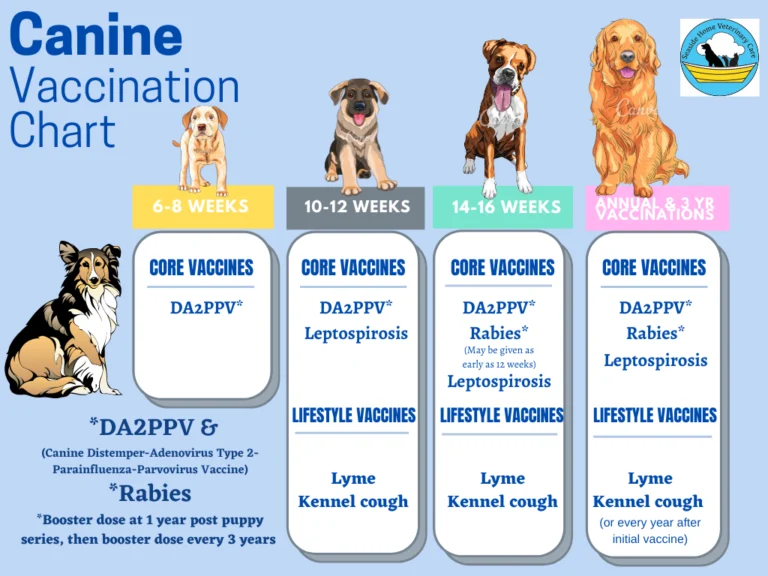
Dog Vaccination Schedule by Age
Puppy Stage (6–16 Weeks)
Puppies receive a series of vaccines because maternal antibodies can interfere with early immunity.
Adult Dogs
Boosters are required to maintain immunity. Skipping boosters weakens protection.
Senior Dogs
Older dogs may still require boosters based on health, lifestyle, and vet advice.
A structured schedule ensures continuous immune protection throughout life.
Puppy Vaccination Guide (Detailed)
Puppies are highly vulnerable because their immune systems are immature.
- Initial vaccination starts at 6–8 weeks
- Multiple doses ensure full immunity
- Avoid public places until vaccination is complete
- Deworming is often done alongside vaccination
Early vaccination significantly reduces puppy mortality rates.
Adult Dog Vaccination Requirements
Adult dogs require:
- Annual rabies booster
- DHPP booster every 1–3 years
- Non-core vaccines based on exposure risk
Regular boosters maintain antibody levels and prevent immunity gaps.
Common Dog Vaccines and Their Uses
Vaccine | Purpose |
Rabies | Prevents fatal neurological disease |
DHPP | Protects against 4 major viral infections |
Leptospirosis | Prevents kidney & liver failure |
Bordetella | Prevents kennel cough |
Influenza | Prevents canine flu |
Each vaccine targets specific pathogens and prevents outbreaks.
Side Effects of Dog Vaccination (In Detail)
Mild Side Effects (Common)
- Low-grade fever
- Fatigue
- Local swelling or soreness
Rare but Serious Reactions
- Allergic reactions
- Vomiting or diarrhea
- Difficulty breathing
These reactions usually appear within 24 hours and require immediate veterinary attention.
Cost of Dog Vaccination in India
Vaccination costs depend on location and clinic quality.
- Puppy vaccination package: ₹2,000–₹4,000
- Rabies vaccine: ₹300–₹800
- DHPP vaccine: ₹800–₹1,500
Vaccination is one of the most cost-effective investments in pet health.
Tips to Keep Your Dog Safe After Vaccination
- Limit physical activity for 24 hours
- Ensure proper hydration
- Avoid bathing or grooming for 48 hours
- Observe for abnormal symptoms
- Follow vet instructions strictly
Proper care improves vaccine effectiveness.
Frequently Asked Questions About Dog Vaccination
Is vaccination 100% effective?
No, but it significantly reduces disease risk and severity.
Can indoor dogs skip vaccines?
No. Even indoor dogs need core vaccines.
Is over-vaccination harmful?
Modern vaccination schedules are designed to be safe; follow vet guidance.
✅ Conclusion
Dog vaccination is a cornerstone of responsible pet ownership. It protects dogs, humans, and communities from preventable diseases. Following a proper vaccination schedule ensures a healthier, safer, and longer life for your dog.
